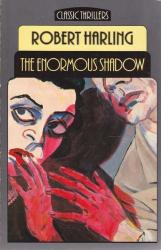
This Cold War story from 1955 is set in London. This is a newspaper thriller because the narrator is an international correspondent. While his base is in New York City, he is on vacation in London, and interviews up and coming MP’s. One of the MP’s, the reporter finds, may be a traitor. Working in tandem with a dodgy mathematician, he may be passing guided missile secrets to the Soviets. While the action may feel slow to some readers, the pace is steady and incidents unfold with surprises all down the line to a rousing climax. Harling’s prose is clear and civilized. The love story grows naturally out of the action and is believable. The verisimilitude is appealling. Harling worked on Fleet Street before the advent of our information age, so his stories of tough editors, hard-bitten reporters, and their dance with the authorities in government and the police ring true to life. Harling here was one of those versatile Englishmen who were skilled at both the arts and espionage. He worked in publishing, as a typographer and graphic designer. During WWII, his friend Ian Fleming, later creator of James Bond, got him transferred into Fleming’s Secret Navy, which “was responsible for day-to-day liaison between the naval intelligence division and the British war propaganda teams.”